






If you’ve ever stood on a Delhi street watching your cab disappear from the app, get cancelled at the last minute, or quietly become 2x the price during peak hours, you already understand the space Green SM is trying to enter.
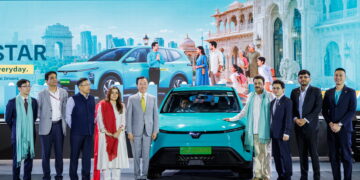
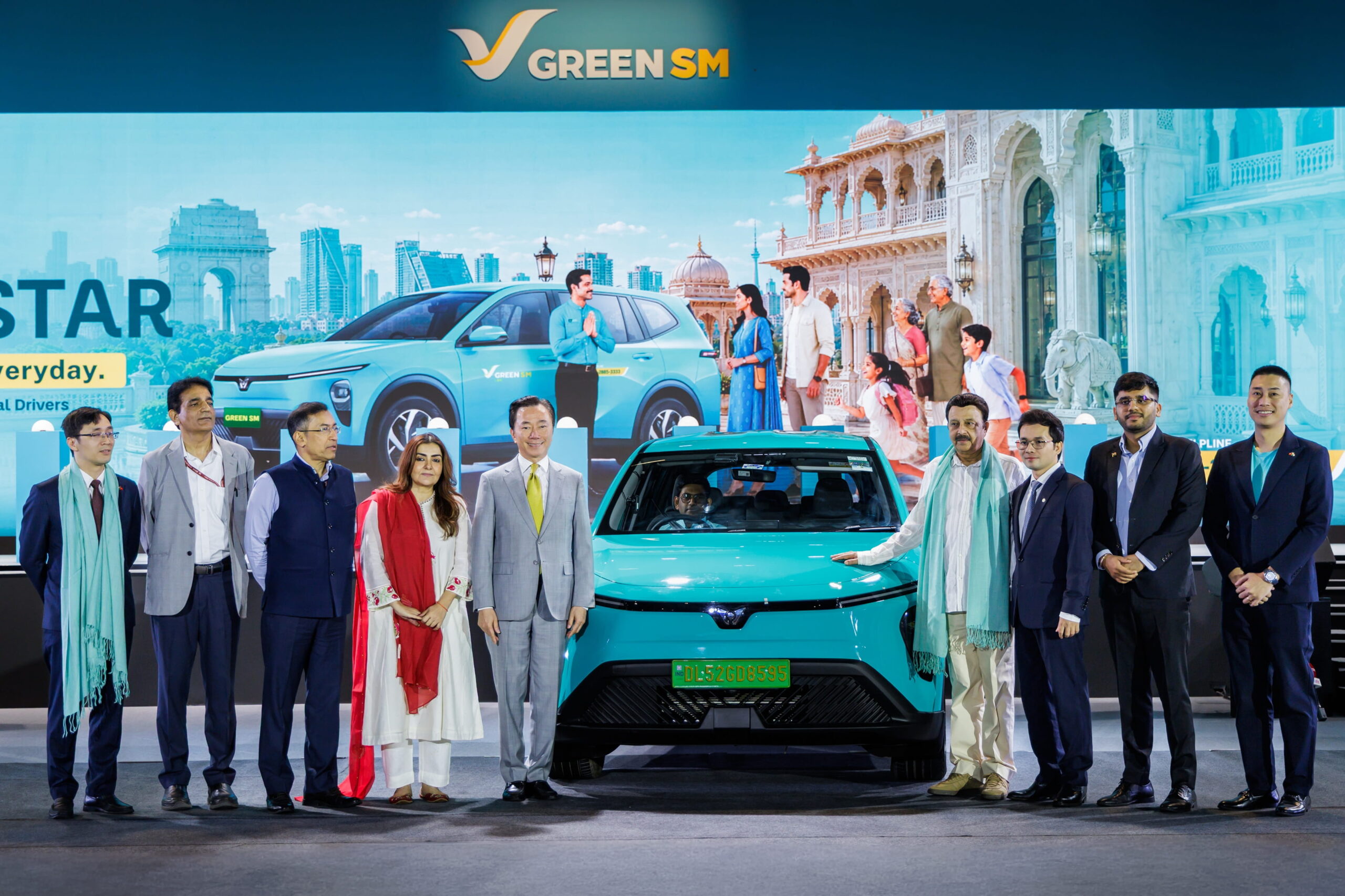
The Vietnam-born all-electric ride-hailing platform officially launched in India on June 5 and, from the way the launch has been planned, this doesn’t feel like a typical market-entry play.
Instead of leading with EV specs or sustainability messaging alone, Green SM appears to be entering through something much more familiar: everyday commuter frustration.
The Brand and the Backing
Green SM is operated by GSM (Green and Smart Mobility), founded by Pham Nhat Vuong, Chairman of Vingroup, one of Vietnam’s largest business groups.
After launching in Vietnam in 2023, the company expanded into Laos, Indonesia, and the Philippines before making India its fifth international market. That’s a brand with a deliberate expansion pattern, not one that stumbled into a new geography.
Delhi NCR is where they’re starting. And they didn’t arrive with a retrofitted fleet or an EV badge slapped onto an existing service. They’re launching Green SM Limo, operated through the VinFast Limo Green, a seven-seater fully electric SUV developed specifically for passenger transportation.
The launch happened on World Environment Day, reinforcing the brand’s positioning around cleaner and more sustainable urban mobility.
“Hello India” Is More Than Just a Welcome Message
The campaign idea behind Green SM’s India entry is called Hello India.
And the thinking goes beyond introducing a new app. According to campaign communication shared ahead of launch, the idea frames this as the beginning of a different mobility standard, one built around feeling cleaner, smoother, and more dependable in everyday life.
The messaging revolves around three words:
Effortless – booking, waiting, and riding should feel seamless.
Electric – a fully electric fleet sits at the centre of the proposition.
Everyday – not as a premium once-in-a-while ride, but something people could realistically build into daily routines.
Whether that holds up operationally is a different conversation. But as positioning, the intent is clear and the direction is specific.
They Built the Conversation Around a Very Real Delhi Problem
What stands out is that they didn’t open the campaign with product features.
They opened with the problem.
According to campaign planning material, the pre-launch phase focused on frustrations Delhi commuters already know too well: ride cancellations, surge pricing, stressful airport runs, peak-hour exhaustion, and inconsistent service experiences.
One of the campaign concepts was literally titled:
“Delhi, How Long Will Mobility Stay This Exhausting?”
The content approach included creator-led storytelling, street interviews, ride experiences, and social-first formats before introducing Green SM into the conversation. It’s a classic launch structure and it works here because the frustration being tapped into is genuine and widespread. Delhi commuters don’t need to be convinced the problem exists.
A Rollout Designed to Live Beyond Launch Day
The campaign wasn’t designed as a one-day launch event.
Pre-launch focused on conversation building. Launch day turns into amplification through creator coverage, first-ride content, and social storytelling designed to make the launch feel like a city-wide moment.
Post-launch shifts toward proving the experience through everyday scenarios, airport transfers, peak-hour commutes, night rides, and emotional stories rooted in how Delhi actually moves. One campaign called “Real Stories of Delhi” leans into content like “Mom Can Relax Now,” tying safety and reliability to something every urban Indian family understands immediately.
The objective doesn’t seem to be becoming a premium occasional choice. It feels closer to becoming a habit.
The Driver Story Isn’t Sitting in the Background
Green SM is also putting unusual attention on the people behind the wheel.
Its Green Drivers programme positions drivers as trained service professionals with preparation across EV operations, safety, and customer experience. Campaign communication talks about building stronger career pathways and making drivers a more visible part of the brand rather than keeping them as a backend detail.
Post-launch content even plans to spotlight top-rated drivers on social media, turning them into recognisable community figures. That’s interesting because driver behaviour continues to shape how people judge ride-hailing brands long after pricing stops being the main conversation.
The Product Experience They’re Promising
Green SM Limo comes with a few service details the company is putting front and centre.
Vehicles include drinking water and wet tissues and are equipped with the Secure-to-Safe system featuring interior and exterior cameras, AI-powered technology, and emergency support features for both drivers and passengers.
Bookings can happen through the Green SM app, hotline support, or direct hailing in operating zones. To mark the launch, Green SM is also offering 50% off rides up to INR 250 from June 5 to 11 through the app.
What They’re Actually Betting On
Green SM isn’t entering India by promising to out-scale the market overnight.
The bet appears to be simpler. If daily rides feel cleaner, more consistent, and more reliable, and if people actually notice the difference, there may be enough frustration in the category to make commuters switch.
Delhi has seen mobility launches before. The interesting part starts now.
Because campaigns can promise smoother journeys. Daily operations have to deliver them.