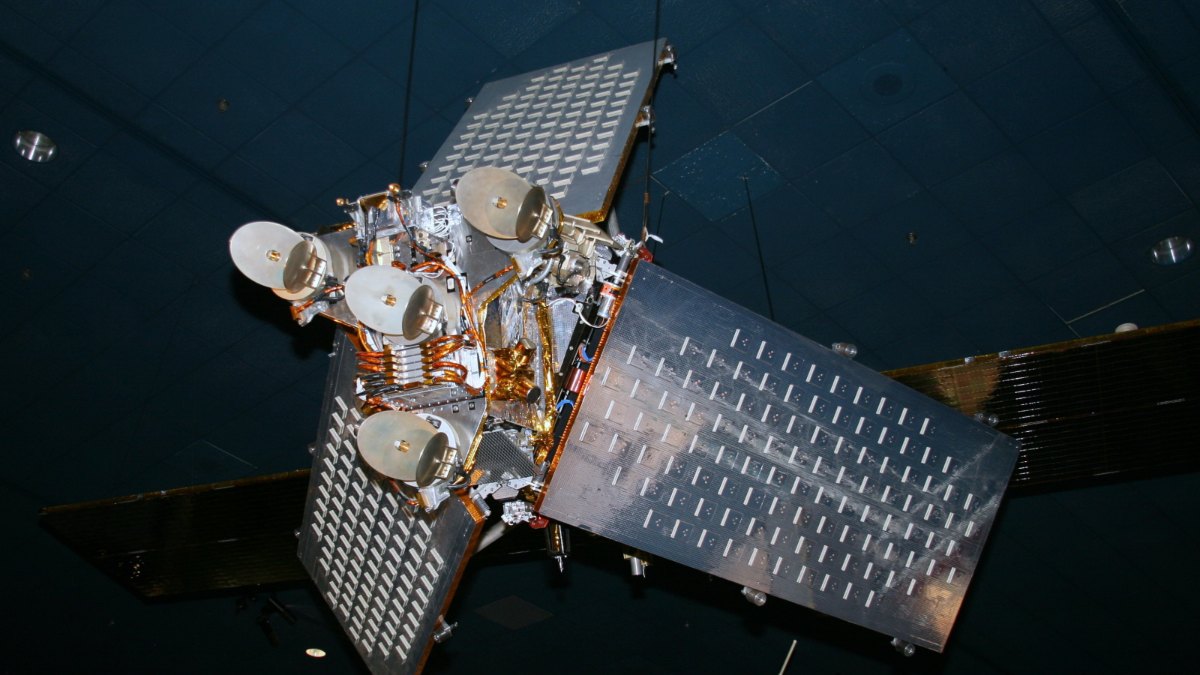
Key takeaways
- TRAI released its satellite network recommendations on 5 November 2026
- Phones could connect to satellites on six regular mobile bands
- Service would come through Jio, Airtel, Vi or BSNL, not directly from satellite firms
- Proposed licence runs up to 20 years with an 8% AGR fee
- DoT must approve the plan before anything goes live
The Telecom Regulatory Authority of India (TRAI) has recommended rules that would let ordinary smartphones connect straight to satellites in areas with no mobile tower signal. The recommendations, released on 5 November 2026, back satellite direct-to-device (D2D) service using both satellite bands and the regular 4G and 5G bands your phone already uses. Nothing changes on your phone yet, because the Department of Telecommunications (DoT) still has to accept the proposals.
What TRAI has recommended
The core idea is a new licence category called Satellite Communication Network (SCN) Provider Authorisation, under Section 3(1)(b) of the Telecommunications Act, 2023. Companies holding it would build and run satellite networks, then rent that capacity to telecom operators. TRAI calls this Satellite Communication Network as a Service, or SCNaaS.
The important detail for buyers: these satellite firms would not sell plans to you directly. You would get satellite coverage through your existing operator, such as Jio, Airtel, Vi or BSNL, if that operator signs up with a satellite partner.
 Also readGoogle Pixel 11 Price Drops to Rs 77,000 on Amazon India
Key points at a glance
- Authorisation valid for up to 20 years, renewable for up to 20 more
- Covers the whole country, not one telecom circle
- Authorisation fee of 8% of adjusted gross revenue (AGR), with no minimum fee
- Satellite spectrum given administratively, not by auction, for up to five years with a possible two-year extension
- Minimum spectrum charge of Rs 3,500 per MHz a year for government-assigned FSS and MSS spectrum
- D2D allowed on both mobile satellite service (MSS) bands and regular mobile (IMT) bands
How satellite-to-phone would work
Today, satellite messaging on phones is limited to a few premium models with special hardware. TRAI’s plan opens a second route. Satellites would broadcast on the same frequencies your phone uses for normal 4G, so many existing handsets could pick up a basic signal when no tower is in range.
TRAI has listed six mobile bands for this: 600 MHz, 700 MHz, 800 MHz, 900 MHz, 1800 MHz and 2100 MHz. Satellite use on these bands would run on a non-interference, non-protection basis. In simple terms, satellites must not disturb normal mobile networks, and they get no protection if the reverse happens.
TRAI also wants this allowed now, without waiting for the World Radiocommunication Conference in 2027, where global rules for such services are expected to be discussed.
No extra charge for operators on their own spectrum
Operators that partner with a satellite company would not pay additional spectrum charges for using their already assigned mobile spectrum for D2D. That matters because extra fees usually reach customers through recharge prices. Whether operators pass on any satellite cost through add-on packs is still unknown.
What it means for you
The real gain is coverage in places where towers are thin: highways through forests, hill stations, border areas, coastal stretches and villages with weak signal. Even a basic text or emergency call option in such spots would be useful.
A few things to keep in mind:
- It is not live yet. These are recommendations. DoT must approve them, and operators must then sign deals and test the service.
- Speeds will be modest. Early satellite-to-phone services worldwide focus on texts and light data, not video streaming.
- Your phone may need an update. TRAI has asked phone makers to add compatible MSS-band modules in future devices, so newer phones will likely work better.
Until then, the usual tools still matter if you travel to low-signal areas. Keep Wi-Fi calling on where available and check which operator has the best coverage on your route. If you are comparing prepaid plans, our Airtel Rs 348 vs Jio Rs 349 comparison covers the current options.
What happens next
The ball is now with DoT. If it accepts the framework, satellite companies would apply for the new authorisation and spectrum, then partner with operators. Timelines have not been announced. We will update this story once DoT responds.
Meanwhile, if you get calls or messages claiming to offer “satellite SIM upgrades” or new satellite plans, treat them as scams for now. No operator sells such a service in India yet. Our guides on checking SIM cards issued in your name and stopping spam calls can help you stay safe.
Sources: TelecomLead, Inc42.
Frequently asked questions
Can my phone connect to a satellite in India now?
Not yet. TRAI has only recommended the rules. The Department of Telecommunications must approve them and operators must launch the service.
Will I need a new phone for satellite connectivity?
Not always. TRAI wants D2D allowed on regular 4G bands that many phones already support, though it has asked makers to add satellite-band modules in future phones.
Which bands has TRAI proposed for satellite-to-phone?
600 MHz, 700 MHz, 800 MHz, 900 MHz, 1800 MHz and 2100 MHz, on a non-interference, non-protection basis.
Can I buy a satellite plan directly from a satellite company?
Under TRAI's proposal, no. Satellite network providers would sell capacity to telecom operators, and you would get the service through your operator.
See more TechInformer stories on Google
Add us as a preferred source and our stories will show up more often in your Top Stories.
Add TechInformer as a preferred source on Google